
Training Environments
Understanding how different physical environments — outdoor spaces, dedicated facilities, and domestic settings — shape the conditions for structured movement and influence consistency in activity patterns.
Learn MoreA systematic exploration of movement principles, exercise science terminology, and the broader context of physical conditioning — presented for general understanding.
Explore This TopicAethelos exists as an independent informational portal dedicated to the systematic presentation of knowledge surrounding structured physical activity. The materials gathered here address terminology, historical perspectives, comparative analysis of training modalities, and the contextual factors that shape how movement is understood. This resource is designed for readers seeking a clear, organised reference — not guidance on individual circumstances.
Every section functions as a self-contained informational module, and the content is maintained with an editorial commitment to accuracy, neutrality, and depth.
Three foundational domains that structure the knowledge presented across this portal.
Understanding how different physical environments — outdoor spaces, dedicated facilities, and domestic settings — shape the conditions for structured movement and influence consistency in activity patterns.
Learn More
A systematic reference to the language used across exercise science: from biomechanical concepts to periodisation frameworks, providing a vocabulary for engaging with the subject accurately and confidently.
Learn More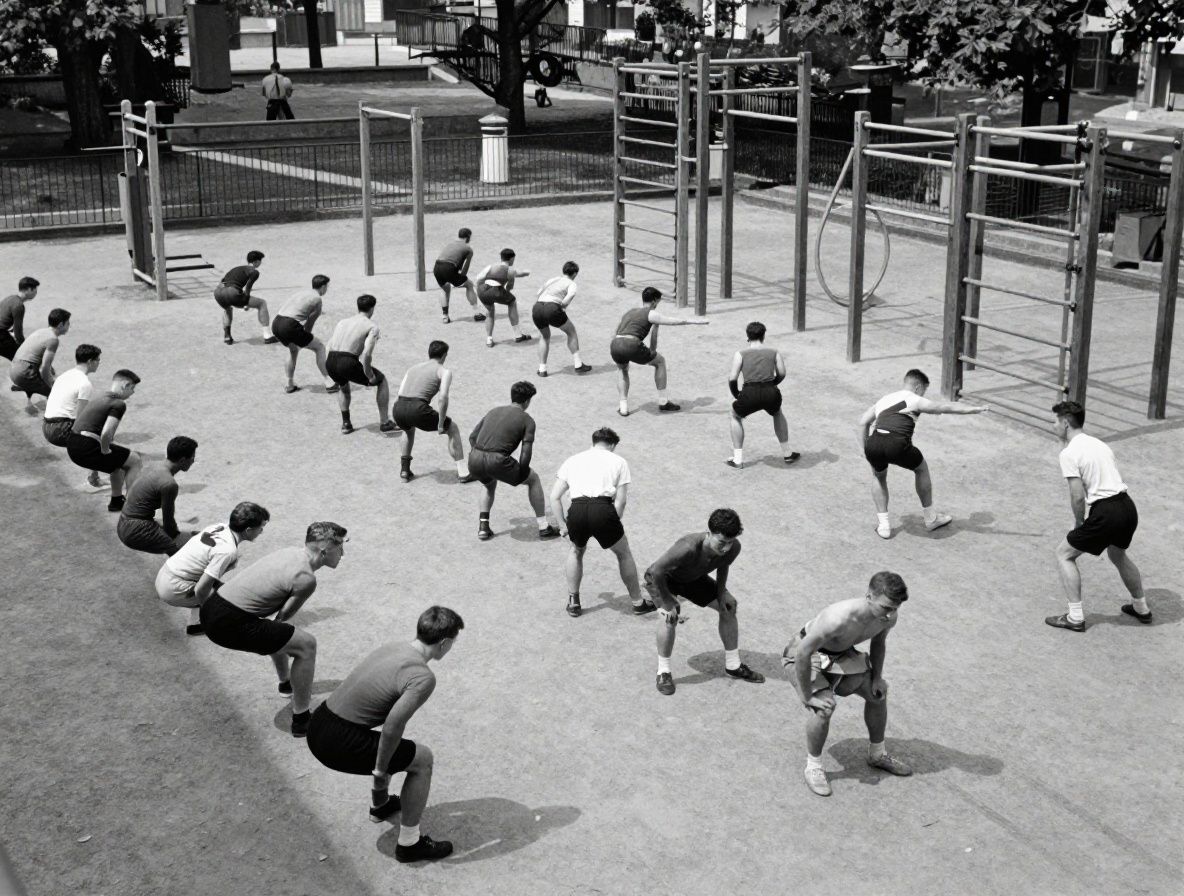
An overview of how physical culture has evolved across different eras and geographies — from ancient athletic traditions to the codified fitness frameworks of the twentieth century and beyond.
Learn More
Physical activity is a domain surrounded by persistent assumptions that do not always hold under closer examination. Aethelos presents these as areas for clearer thinking, rather than conclusions to be adopted.
Myth vs. Reality: Structured physical activity is shaped by a range of interacting variables — no single factor operates in isolation from the others.
A selection of foundational terms used throughout the study of structured physical activity.
Distinct approaches to structured physical activity carry different emphases, contexts, and historical origins. This section presents them comparatively, without preference.

Sustained, rhythmic movement over extended durations. Historically linked to locomotion, its forms range from walking and running to cycling and rowing, each with distinct demands on cardiovascular and respiratory systems.

Activity structured around working against an opposing force — whether external load, bodyweight, or elastic resistance. Associated with skeletal development, muscular conditioning, and the study of force production.
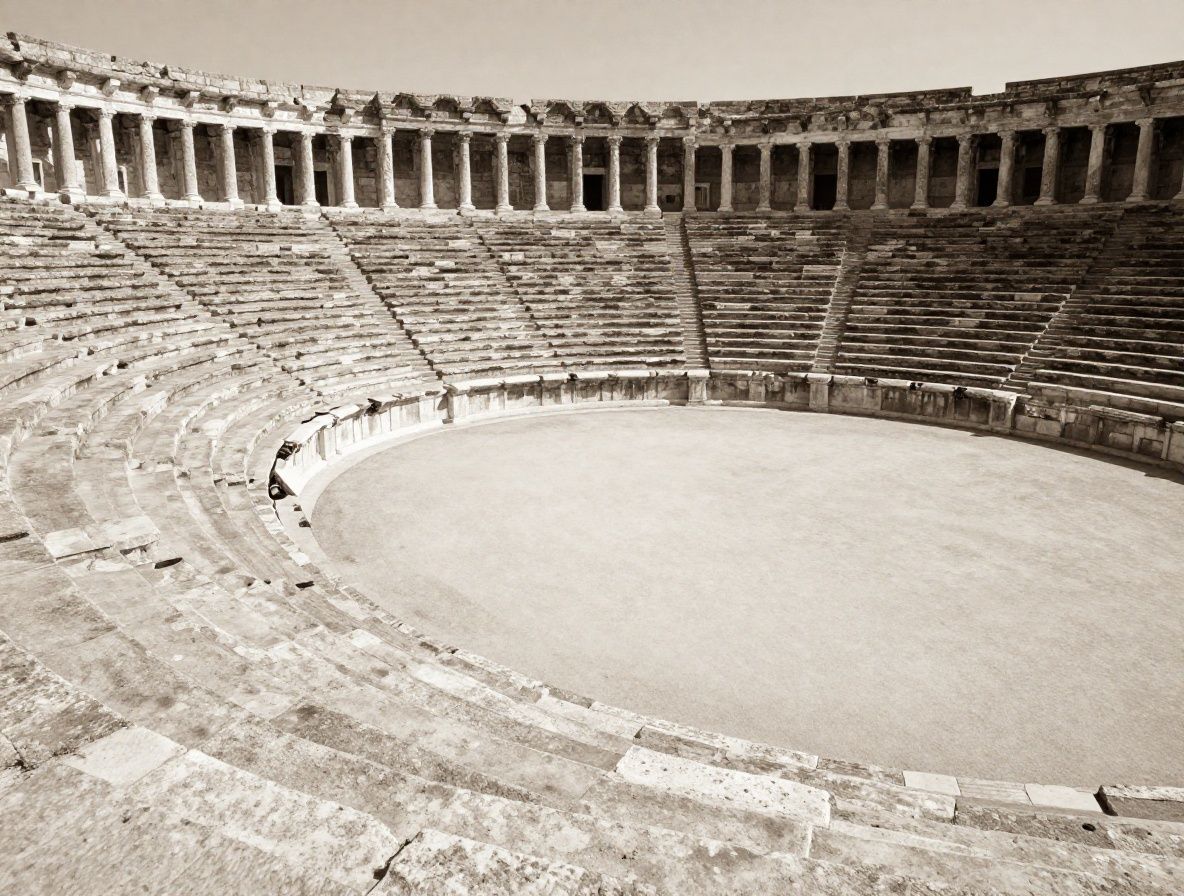
Structured physical activity as a deliberate practice has appeared across recorded history in forms shaped by cultural context, available resources, and prevailing understandings of the human body. Ancient Greek athletic traditions, the calisthenic systems of nineteenth-century Europe, and the early twentieth-century emergence of codified fitness programmes each represent distinct interpretations of what disciplined movement should accomplish and what it means to the societies that practise it.
Understanding these historical layers provides context for the diversity of approaches that exist today — and caution against the assumption that any contemporary framework represents a final or universal answer.
View Further ContextResponses to common questions about the foundations of structured physical activity, drawn from the informational framework of this portal.
Structured physical activity refers to movement undertaken with deliberate organisation — typically involving defined objectives, parameters such as duration or intensity, and a degree of regularity. It is distinguished from incidental movement by its intentional nature, though the degree of structure can vary considerably across different approaches.
Training modalities — such as endurance, resistance, and mobility-based activity — are not mutually exclusive systems. They differ primarily in the types of physiological stress they impose and the adaptations they tend to elicit. In practice, many approaches incorporate elements from multiple modalities, and the relative weighting reflects the orientation and goals of a given framework rather than the inherent superiority of one over another.
Shared terminology allows for consistent communication about concepts that are often described imprecisely in general usage. Terms such as "overtraining," "core stability," or "functional movement" carry specific meanings within exercise science that differ from their popular interpretations. Clarity in terminology reduces misunderstanding and supports a more accurate engagement with the subject.
Recovery is the period during which the physiological responses to activity — including cellular repair, energy replenishment, and adaptation — take place. It is not a passive absence of effort but an active component of any structured activity framework. The relationship between activity and recovery is one of the central considerations in understanding how conditioning unfolds over time.
The concept of physical fitness has been defined differently across periods and cultures. Earlier frameworks emphasised functional capacity for labour or military preparedness; later approaches incorporated measurements of cardiovascular function, body composition, and motor performance. Contemporary frameworks vary considerably depending on the population, purpose, and philosophical orientation of the defining body.





Aethelos welcomes general correspondence on the informational topics presented here.
Go to ContactsThe materials on this portal are organised to support patient, structured reading. Each section builds upon a foundation of neutral, descriptive information.
Explore This Topic